


Vegetable Steak-Giant Beef Tomato Seeds
Vegetable Steak-Giant Beef Tomato Seeds
Couldn't load pickup availability
-
Ordered
- - -
Order Ready
- - -
Delivered

Vegetable Steak-Giant Beef Tomato Seeds
Buy seeds with reder-shop, safe and secure
Payment through PayPal®
99.3% of our customers buy more than 50 seeds and more to share with family or friends
has 80% of purchasers feedback on planting success and satisfaction
Ships in the order of payment, first paid first arrived
Worldwide Express Shipping Available
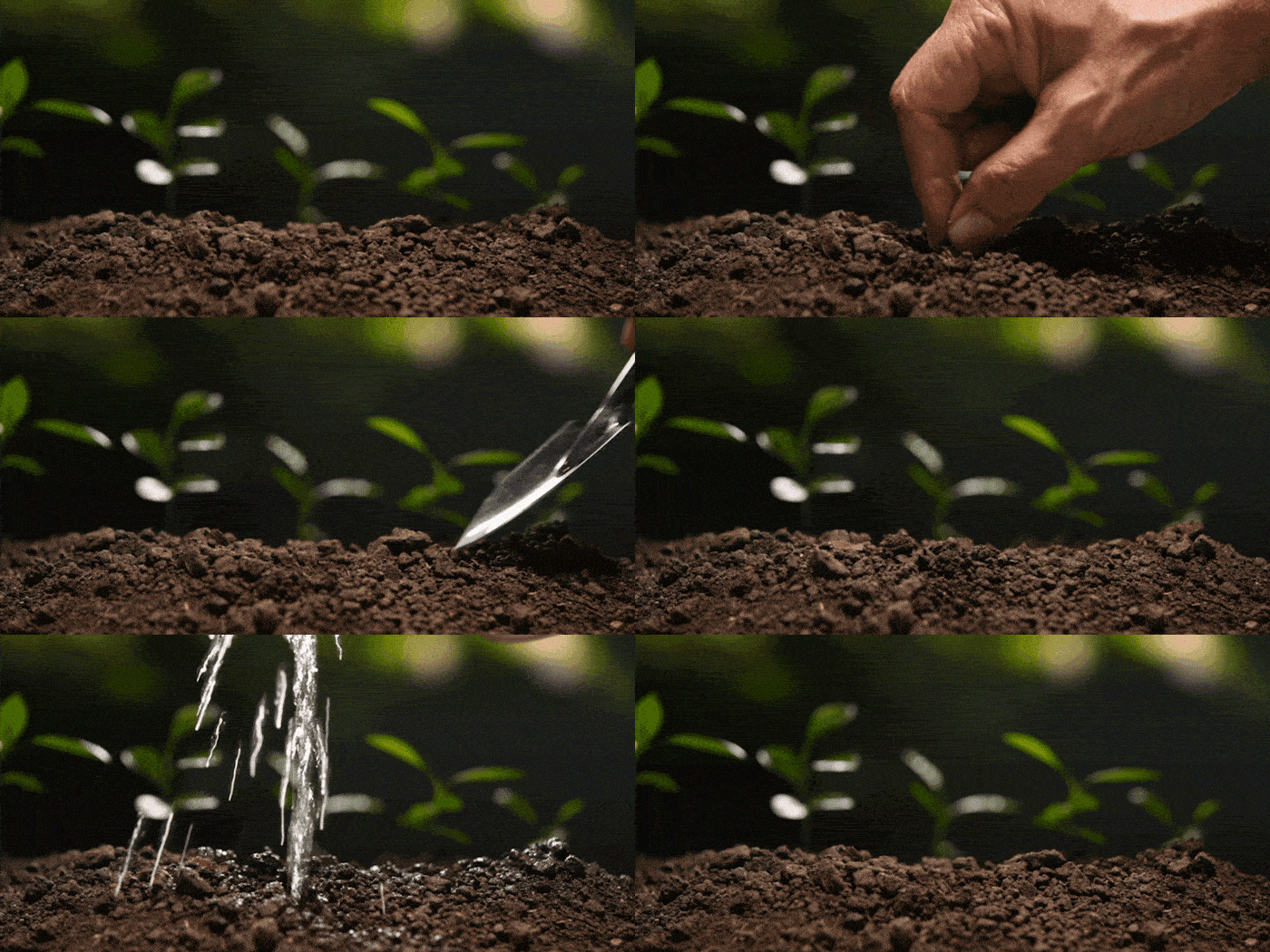
Suitable sowing period: August to April of next year
Germination temperature (℃): 20~30; 25
Germination days: 5 - 14
Plant-to-row spacing: 50-60cm
Description
Introducing our new season giant tomato seed series, providing the perfect choice for all your gardening enthusiasts! Our seeds are non-GMO and no chemicals are used in the production process, guaranteeing the biggest, tastiest tomatoes you've ever seen.
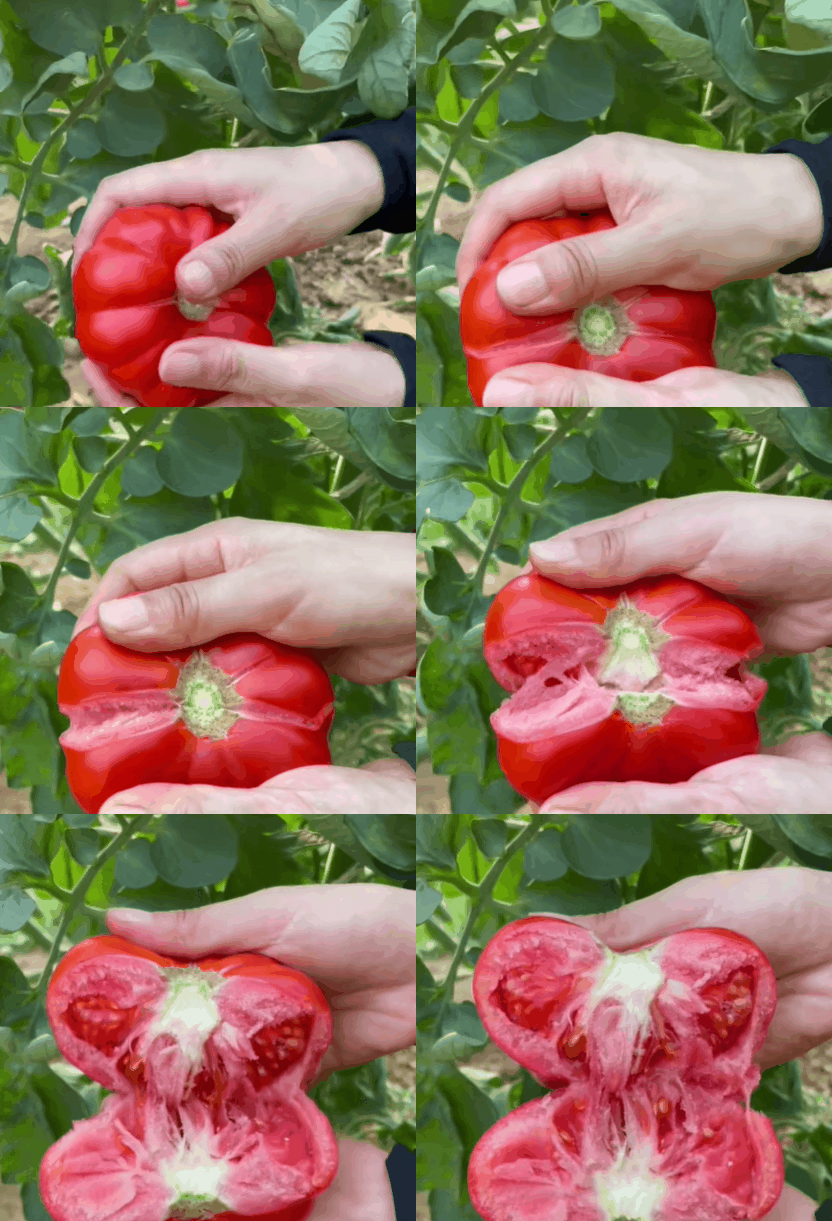
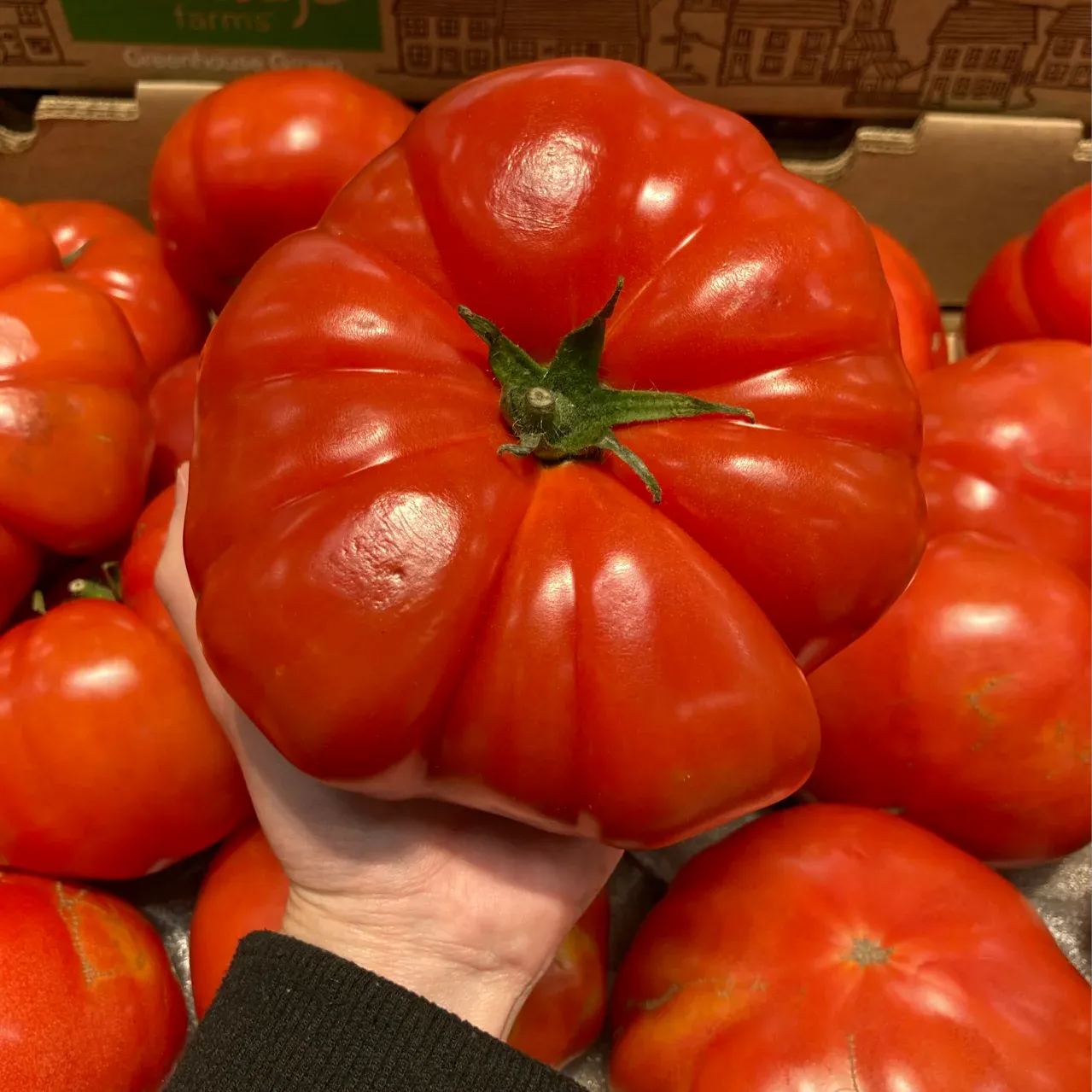
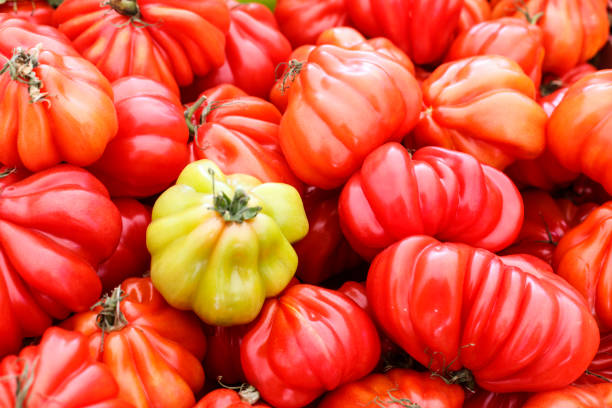
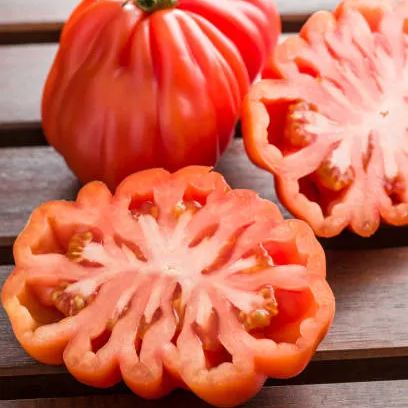
Medium-early maturing variety, grown in foil tunnels and underground. These giant tomatoes can reach 20 centimeters in diameter and weigh up to 2 kilograms in excellent conditions. The fruit is rich in flesh, showing an attractive red color when ripe, and has a high dry matter content.
We provide detailed growing instructions to make growing a bountiful harvest easy. Fast, reliable shipping will ensure you receive your seeds as quickly as possible and start your growing journey simple and enjoyable.
These giant tomatoes are not only suitable for direct consumption, but can also be used in barbecues, sandwiches, hamburgers and other foods. They are also very suitable for preserves and processing.
Planting Guide
1. Sowing
- Sowing time: It needs to be carried out according to the temperature in different regions and combined with local meteorological data;
- Generally, the ideal sowing period is from mid-August to late April of the following year. If you sow too early, on the one hand, high temperature and drought will affect the emergence of seedlings. On the other hand, affected by high temperature and drought, the fleshy root bark will be thick, poor quality, and low yield; if you sow too late, seedling emergence, root growth, and yield will be seriously affected by low temperature. Therefore, If you sow seeds during this time, the emergence of seedlings is guaranteed and it is easier to obtain high yields.
- Sowing method: Sow seeds at the right time to improve land utilization.
.jpeg?w=750&h=750)
2. Field management
- Timely seedling replenishment: Adhere to the principles of early thinning, divided seedlings, and late seedlings, remove miscellaneous seedlings, weak seedlings, deformed seedlings, diseased and insect insect seedlings, and select varieties with leaf shape, bright green color, extended leaves, and uniform petiole and flesh quality. They are purple-red pure seedlings and shape seedlings.
- Topdressing and watering: Using fertilizer and water correctly to achieve balanced growth of above-ground and underground parts is the key to achieving high yields.
- In management, top dressing is usually done 2-3 times, and the fertilizer should be mainly organic fertilizer, with additional phosphorus and potassium fertilizers. The first top dressing is in the "breaking belly" stage, that is, the period of 5-6 true leaves. After the seedlings are established, 5-6 kg of urea is used per acre, mixed with water and applied; the second top dressing is in the "big breaking head" stage, that is, the fleshy root diameter is 1 —1.5cm thick.
.jpeg?w=1080&h=1440)
3. Appropriate leaf pruning:
- When the fleshy roots have grown to 1/3 of the surface, pruning the leaves is usually done. Generally, 5-6 leaves are left per plant, and the remaining old leaves, diseased leaves, and damaged leaves are pruned to make green fodder.
4. Harvest:
- When harvesting, remove the leaves and fibrous roots and wash them with clean water.


Buy More, Save More
📦 Add $29.99 to cart → Free shipping
🎁 Buy 3 → Get 1 Free
🔥 Buy 5 → Get 2 Free

Beginner's Gardening Guide
The three most essential elements for seed germination are:
Water: Allows the seed to absorb moisture, activates enzymes, and breaks dormancy
Suitable temperature: A suitable temperature is necessary to initiate growth
Oxygen: Respiration requires oxygen, which provides energy.
Some plants may also have light requirements, but the first three are essential.

⭐The Before You Sow Checklist
Preparation makes all the difference. Get these basics sorted before you sow, and you'll avoid most common pitfalls.
Don’t use garden soil in containers—it compacts when wet, contains weeds, pests and diseases. Choose seed-sowing or quality multipurpose compost instead.We suggest a fine, free-draining, low-nutrient peat-free medium (young seedlings don’t need feeding).
For outdoor sowing, loosen soil to a fine tilth, rake level, and water the day before if dry.

💡How to Sow Seeds Indoors
Indoor sowing lets you start earlier and control conditions easily. Fill containers with compost, level it gently without compacting, then water well and drain.
Sow 2–3 seeds per cell or scatter thinly in trays as directed. Cover lightly with compost/vermiculite (or leave uncovered if light is needed). Label with plant name and sowing date.
Ideal for crops sensitive to root disturbance, such as carrots, parsnips, peas and beans. Prepare fine soil, make shallow drills, sow thinly, cover lightly and water gently. Thin seedlings when they develop true leaves.

📢How to Sow Seeds Outdoors
Ideal for crops sensitive to root disturbance, such as carrots, parsnips, peas and beans. Prepare fine soil, make shallow drills, sow thinly, cover lightly and water gently. Thin seedlings when they develop true leaves.

Pricking Out🌱
When seedlings have true leaves, transplant them into larger pots to avoid overcrowding.Fill pots with fresh compost, make a hole, and water seedlings first for easier lifting.
Lift them gently by the leaves (not stems) and firm compost around roots.Bury leggy seedlings (e.g., tomatoes) up to their lowest leaves.Water lightly and keep out of direct sun for a few days.
Common Problems
Seeds won't germinate: This could be due to using old seeds, incorrect temperature, sowing too deeply, or the compost drying out.
Leggy seedlings: This is a result of insufficient light. Move to a brighter spot, use grow lights or try planting deeper when transplanting.

🍃Hardening Off & Planting Out
Indoor-grown plants need hardening off to adapt outdoors.Place them outside in a sheltered spot by day for a week, bring in at night, then gradually leave them out overnight over another week.
Plant on a mild, cloudy day. Dig holes bigger than root balls, firm gently, water well. Protect from slugs and frost with fleece.
For continuous harvests, try succession sowing: sow small batches of quick-growing crops every 2–3 weeks.
Featured collection
-

 SAVE 50%
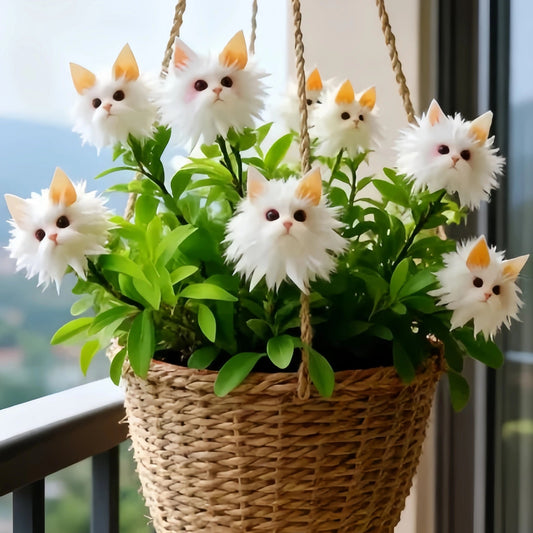
Cat's Eye Dazzle Colorful
Regular price From $9.99Regular price From $9.99 Sale priceUnit price per$19.9850% -
 SAVE 50%
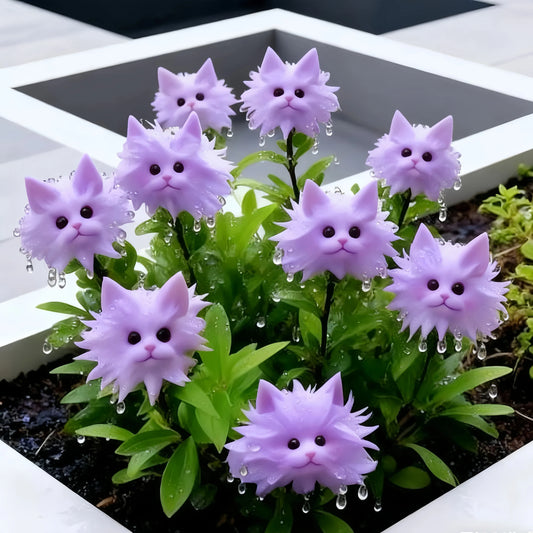
Cat's Eye Dazzle Colorful flowers
Regular price From $9.99Regular price From $9.99 Sale priceUnit price per$19.9850% -
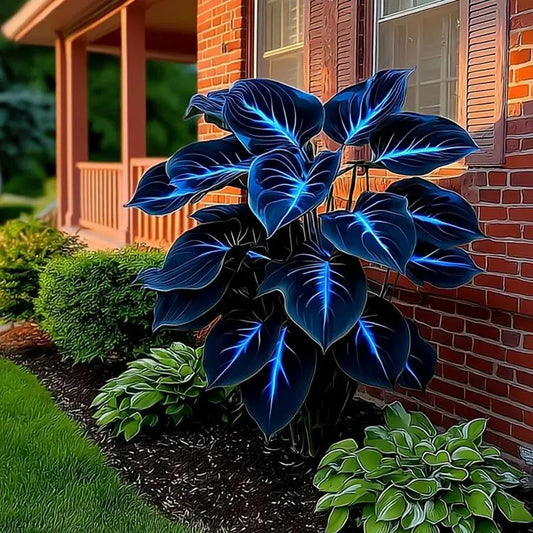
100 Seeds Glow-in-the-Dark Garden Magic: Rare Dark Blue Flame Hostas Seeds
Regular price $16.99Regular price $16.99 Sale priceUnit price per$34.9951% -
Butterfly Leaf Hosta Seeds-Unique ResemblingButterfly Wings-Shade-LovingPerennial for Garden Borders& Landscaping
Regular price From $9.99Regular price From $9.99 Sale priceUnit price per$19.9950% -
For 50 Non-GMO Climbing Silver Jasmine Seeds - Aromatic Evergreen, Ideal Decor Choice for Garden & Balcony Fragrant
Regular price From $8.99Regular price From $8.99 Sale priceUnit price per$13.9935% -

 SAVE 51%
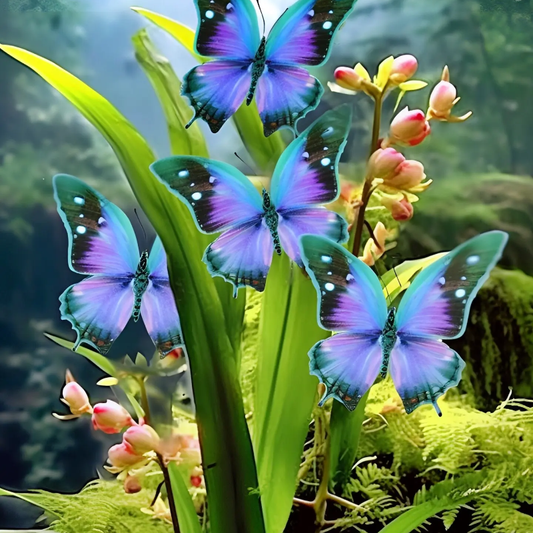
Color Butterfly Flower Seeds
Regular price From $13.99Regular price From $13.99 Sale priceUnit price per$28.9951%





Whether you're just starting out or an experienced gardener,
Join us on a gardening journey!
Facebook testimonials
-

1h ago
I’ve purchased flower seeds from other brands before, but none compare to these. Almost every seed sprouted, and the plants are strong and vibrant. Will be a repeat customer!
2.6k
73 Comments
LikeCommentShare -

1Day ago
These flower seeds exceeded my expectations by far. They grew quickly and evenly, and now my garden is full of bright, beautiful blooms. Great quality for the price, highly recommend!
1.7k
52 Comments
LikeCommentShare -

4Days ago
Absolutely love these seeds! They were fresh, easy to sow, and sprouted consistently. My backyard looks so much prettier already, and I’ve gotten several compliments from neighbors.💖💖
2.1k
46 Comments
LikeCommentShare -

2Days ago
I’m genuinely impressed with these seeds. The germination rate was better than I expected — most of the seeds sprouted with proper care and patience. The variety in color is beautiful, and really stand out in the garden.🌸🌺🌷🌻💐
2k
53 Comments
LikeCommentShare -

6h ago
Why did you pick this product vs others?:
I've wanted those flowers for a while. It came in great shape, I planted next day and very fast it's leaves grew and filled out nicely! Happy ♡ 5☆ thank you!1.4k
37 Comments
LikeCommentShare -

12h ago
I planted them this spring. They popped up abundantly and are now climbing the fence in the family plot. They are prolific.
1.2k
29 Comments
LikeCommentShare


-

Shipping within 48 hours
-

Non-GMO Sourced with Care
-

Easy Returns & Exchanges
-

24/7 Friendly Support
