Skip to product information

Double Echinacea Seeds

Double Echinacea Seeds

 (2674 Reviews)
Regular price $9.99
Regular price $9.99 Sale price $19.99
SAVE 50% Sold out
⚡ LOW STOCK
đŸ”„ Over 95.6% chose 200 Seeds 13,195 Live Viewing
 
  • American Express
  • Apple Pay
  • Bancontact
  • Diners Club
  • Discover
  • Google Pay
  • Mastercard
  • PayPal
  • Shop Pay
  • Visa
 
add_shopping_cart

-

Ordered

local_shipping

- - -

Order Ready

redeem

- - -

Delivered

Double Echinacea Seeds

Double Echinacea Seeds

Regular price $9.99
Regular price $9.99 Sale price $19.99
SAVE 50% Sold out

We are committed to providing our customers with quality, affordable seeds. 

 Payments Via PayPalŸ
 99.3% of customers buy 100 seeds or more to share with family or friends
 Priority is given to delivery after payment
 Worldwide Express Shipping Available
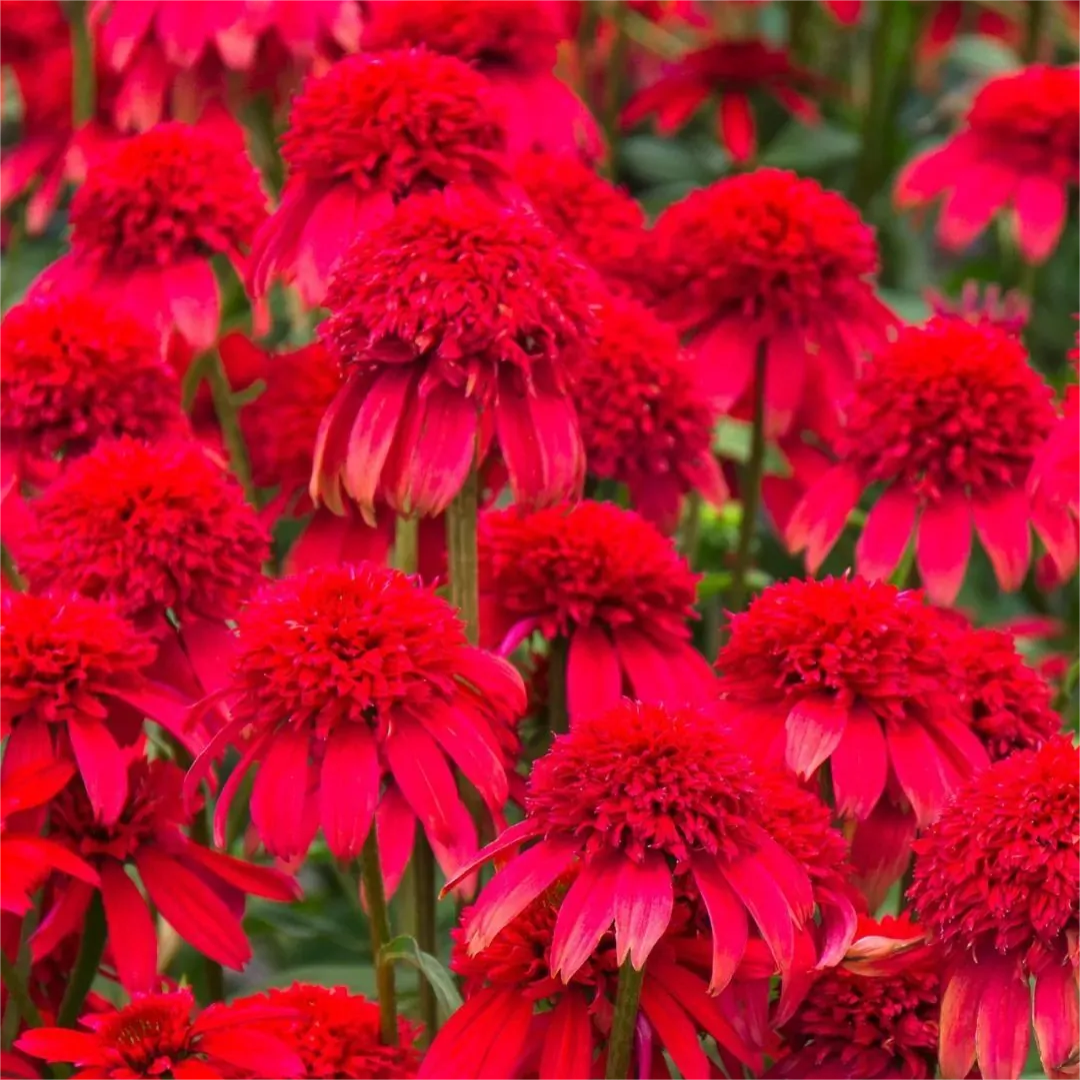
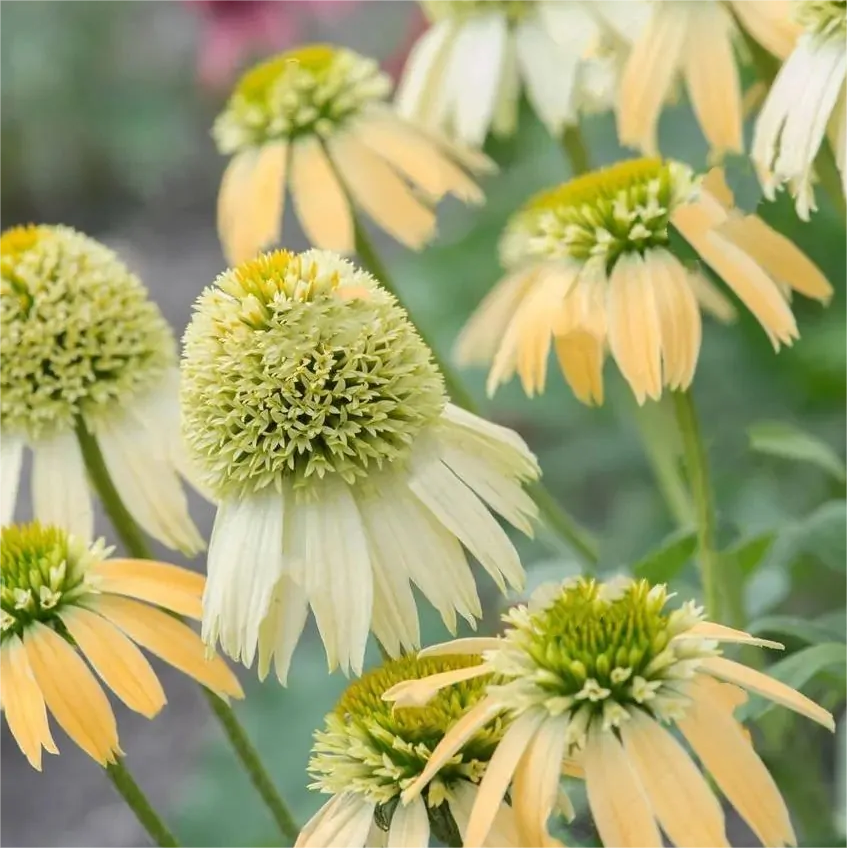
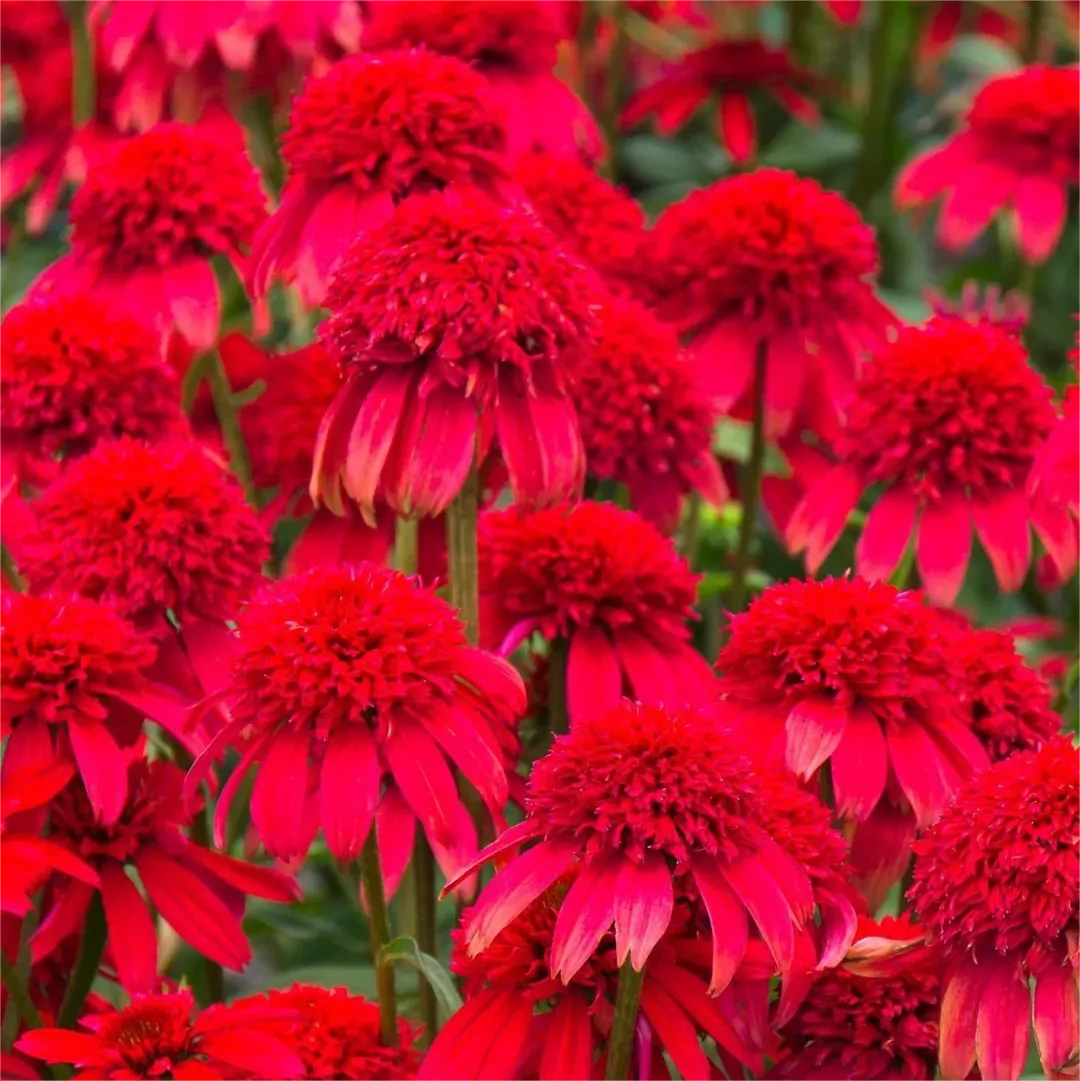
Double Echinacea Seeds is a common herb that belongs to the Asteraceae family. Echinacea is native to North America, mainly in the central and eastern regions of the United States, as well as some parts of Canada. It is also a popular garden plant for its bright purple flowers.

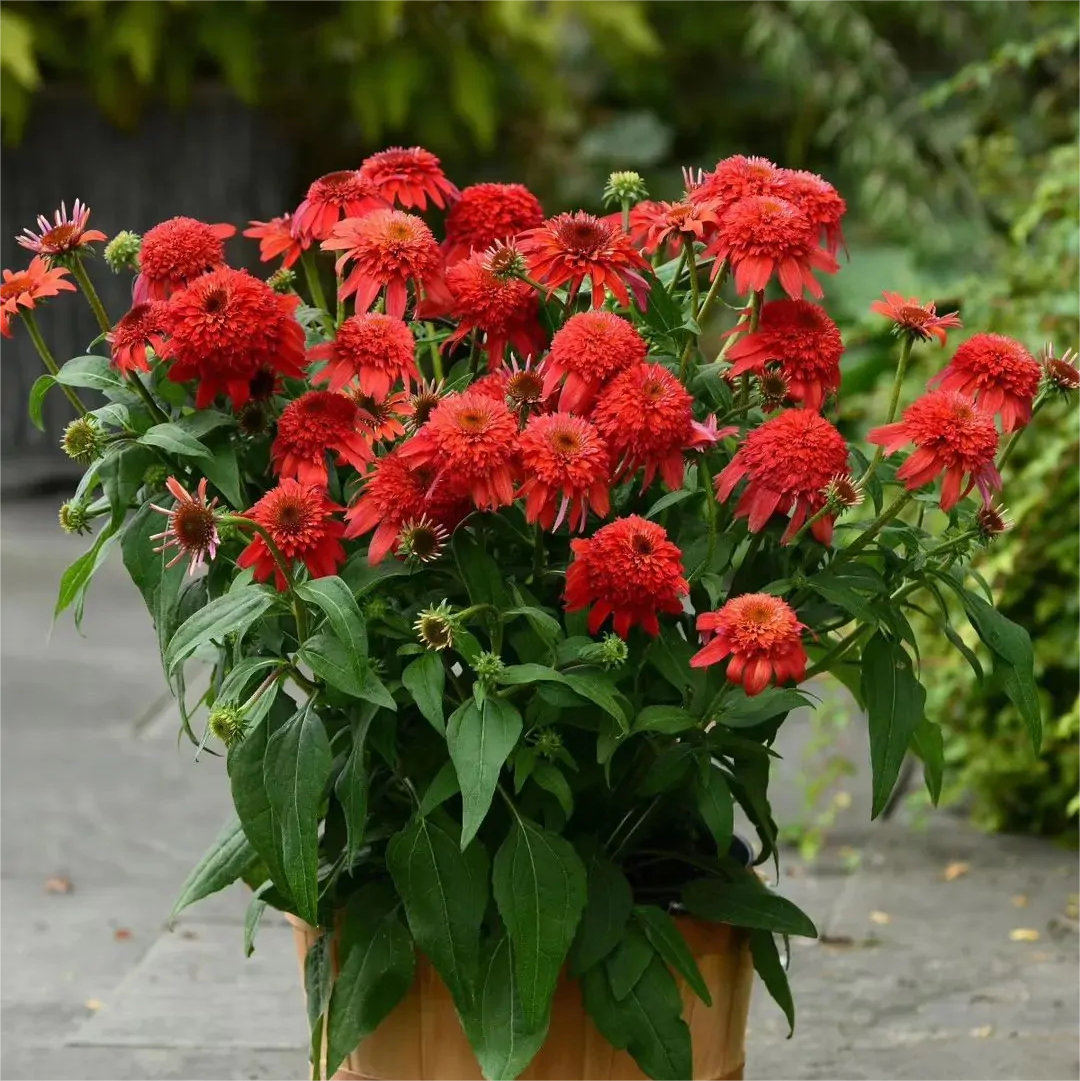
Coneflowers are perennials with strong stems and long, narrow leaves. It can grow 2 to 3 feet tall (about 60 to 90 cm).And they are adaptable to many soil types and usually grow in full sun. They are especially common in the prairies and some mountainous regions of the central United States.

Annual and Perennial Wildflowers

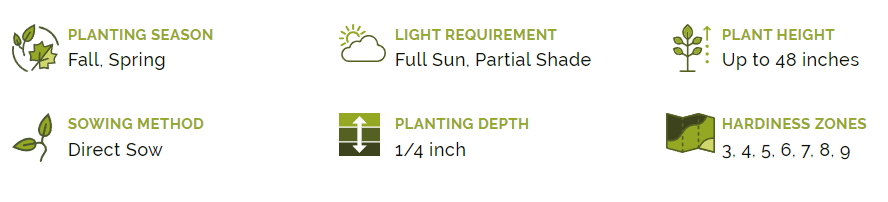
When to Plant Annual and Perennial Wildflower Seeds

Spring sowing is best done about a month after the last winter frost. It is important not to sow too early; if seeds are sown before a late season frost, they will be lost throughout the season and will need to be reseeded.

For fall sowing, make sure to plant the seeds after the first frost to eliminate the chance of germination. Planting in the fall will get you blooms in the spring.

Where to Plant Annual and Perennial Wildflower Seeds

Although many wildflowers do tolerate some filtered shade, and a few actually thrive in it. The vast majority of people are definitely sun lovers. Wildflowers often germinate in all but the most difficult conditions. This means there is usually no need to pamper your site with manure or rich turf.
How to Care for Annual and Perennial Wildflowers

While wildflowers are easy to care for, there are steps you can take to make them look beautiful. Weed regularly to ensure wildflowers get the nutrients they need. Water the plants during periods of drought. Dead flowers are used to encourage new growth.

How to Plant Annual and Perennial Wildflower Seeds

Wildflower seeds need light to germinate, so be careful not to cover them when planting. 

Before planting, clear the area and till the soil as best you can. Don't panic when some weeds sprout along with the flowers, this happens when the soil is tilled.

We recommend mixing seeds with sand - 5 parts sand to 1 part seed. This allows for a more even distribution, and also provides a convenient way to mark which parts of the site have been seeded and which have not. For smaller areas, you can spread the seeds by hand. For larger areas, we recommend using a planter for better seed spreading.

After planting, lightly press the seeds about 1/4 inch into the soil to provide protection from birds and wind.

View full details

Buy More, Save More

📩 Add $29.99 to cart → Free shipping

🎁 Buy 3 → Get 1 Free
đŸ”„ Buy 5 → Get 2 Free

Beginner's Gardening Guide

The three most essential elements for seed germination are:
Water: Allows the seed to absorb moisture, activates enzymes, and breaks dormancy
Suitable temperature: A suitable temperature is necessary to initiate growth
Oxygen: Respiration requires oxygen, which provides energy.
Some plants may also have light requirements, but the first three are essential.

⭐The Before You Sow Checklist

Preparation makes all the difference. Get these basics sorted before you sow, and you'll avoid most common pitfalls.

Don’t use garden soil in containers—it compacts when wet, contains weeds, pests and diseases. Choose seed-sowing or quality multipurpose compost instead.We suggest a fine, free-draining, low-nutrient peat-free medium (young seedlings don’t need feeding).

For outdoor sowing, loosen soil to a fine tilth, rake level, and water the day before if dry.

💡How to Sow Seeds Indoors

Indoor sowing lets you start earlier and control conditions easily. Fill containers with compost, level it gently without compacting, then water well and drain.

Sow 2–3 seeds per cell or scatter thinly in trays as directed. Cover lightly with compost/vermiculite (or leave uncovered if light is needed). Label with plant name and sowing date.

Ideal for crops sensitive to root disturbance, such as carrots, parsnips, peas and beans. Prepare fine soil, make shallow drills, sow thinly, cover lightly and water gently. Thin seedlings when they develop true leaves.

📱How to Sow Seeds Outdoors

Ideal for crops sensitive to root disturbance, such as carrots, parsnips, peas and beans. Prepare fine soil, make shallow drills, sow thinly, cover lightly and water gently. Thin seedlings when they develop true leaves.

Pricking OutđŸŒ±

When seedlings have true leaves, transplant them into larger pots to avoid overcrowding.Fill pots with fresh compost, make a hole, and water seedlings first for easier lifting.

Lift them gently by the leaves (not stems) and firm compost around roots.Bury leggy seedlings (e.g., tomatoes) up to their lowest leaves.Water lightly and keep out of direct sun for a few days.

Common Problems

Seeds won't germinate: This could be due to using old seeds, incorrect temperature, sowing too deeply, or the compost drying out.
Leggy seedlings: This is a result of insufficient light. Move to a brighter spot, use grow lights or try planting deeper when transplanting.

🍃Hardening Off & Planting Out

Indoor-grown plants need hardening off to adapt outdoors.Place them outside in a sheltered spot by day for a week, bring in at night, then gradually leave them out overnight over another week.
Plant on a mild, cloudy day. Dig holes bigger than root balls, firm gently, water well. Protect from slugs and frost with fleece.
For continuous harvests, try succession sowing: sow small batches of quick-growing crops every 2–3 weeks.

Whether you're just starting out or an experienced gardener,

Join us on a gardening journey!

  • Shipping within 48 hours

  • Non-GMO Sourced with Care

  • Easy Returns & Exchanges

  • 24/7 Friendly Support